 Call to book
Epic Antarctica: Crossing the 7th Continent
Starts and Ends in
Call Us for Pricing
pp twin share
Lowest available price for selected departure
Price is inclusive of all discounts
Duration
0 days
Activity Level
Daily shore excursions, guided hikes & outings
Moderate
Season
2027
Polar Expeditions
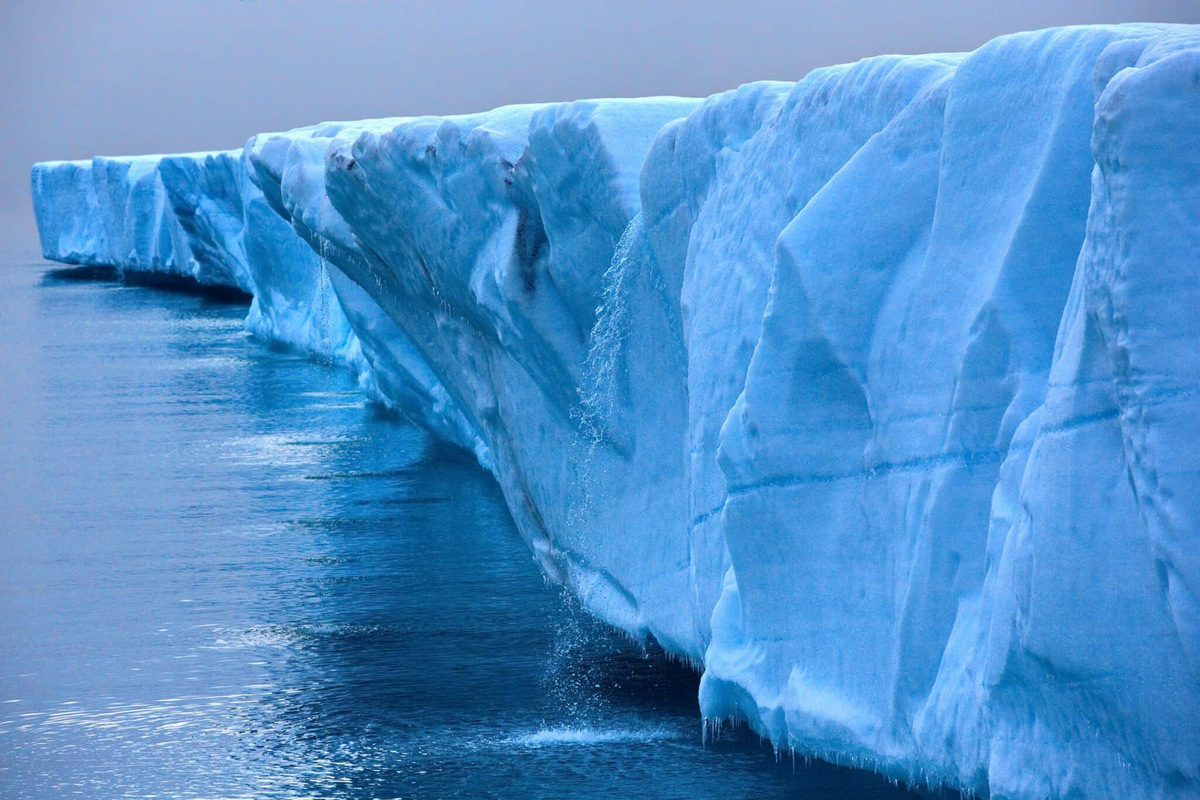

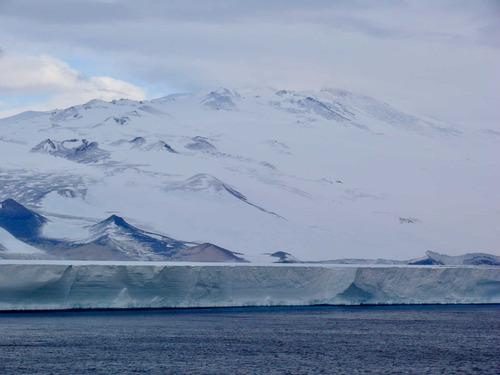
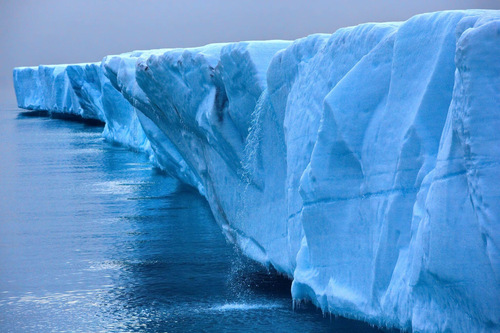
A close-up shot of the Ross Ice Shelf
Antarctica | Credit: Shutterstock

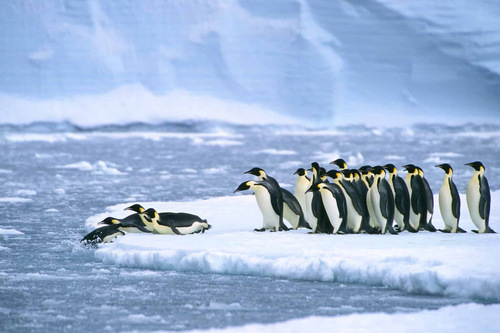
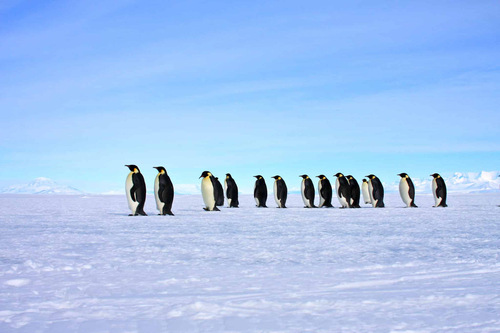
A Small Group of Emperor Penguins Near a Crack in the Sea Ice
Ross Sea, Antarctica | Credit: Shutterstock

A Southern Royal Albatross at Campbell Island
Campbell Island, Subantarctic Islands | Credit: Shutterstock

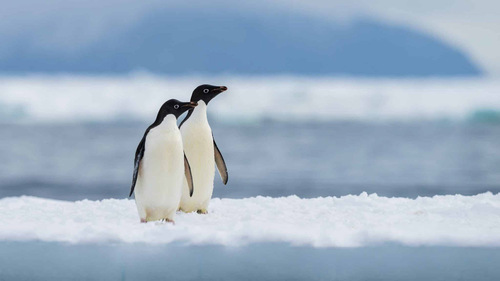
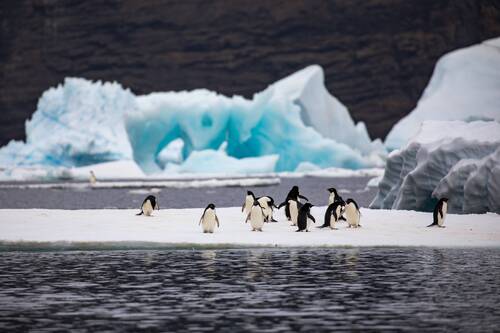
One of the largest adelie penguin colonies
Cape Adare, Antarctica | Credit: Shutterstock

Portal Point, Antarctica | Credit: Matt Horspool

Ross Sea
Ross Sea, Antarctica | Credit: Shutterstock
Antarctica
Epic Antarctica: Crossing the 7th Continent
Highlights
Dom Tollit
Marine Mammal Scientist

Dr Dom Tollit is a distinguished marine mammal scientist leading cutting-edge research on whales, dolphins, sea lions and seals across four continents. He is a world expert on marine mammal foraging and underwater noise effects, advises Government and the Academy of Science and has 40+ publications. Currently, Dom is the Principal Scientist at the University of St. Andrew’s SMRU (Sea Mammal Research Unit) Canada, a BC-based company he started in 2009. His research has involved reducing underwater noise threats from shipping and marine renewables to endangered killer whales, belugas, humpback whales, and porpoise. He is the Technical Advisor to the internationally recognized Port of Vancouver’s Enhancing Cetacean Habitat and Observation (ECHO) Program, which has a focus on reducing vessel noise effects and has to date slowed more than 30,000 vessels to reduce effects on whales.
He gained his doctorate in 1986 from the University of Aberdeen on the “Foraging ecology of Harbour seals in Scotland”, undertaking some of the very first tagging and DNA-based diet research studies. Dom moved to Canada in 2000, leading a multi-faceted NOAA-funded research program studying the causes of the decline in Steller sea lions at the University of British Columbia’s Marine Mammal Research Unit. Previously, he worked on elephant seals on Australian Antarctic Division’s Subantarctic base on Macquarie Island, in Borneo for the Royal Society and as Chief Scientist working with the National Trust of Fiji. He is a keen SCUBA diver and hiker and enjoys being a “Scientist in Residence” for inner city Vancouver schools.
Dom Tollit will be a special guest on our Epic Antarctica voyage departing 8 February 2026.
Kat Bolstad
Marine Biologist & Giant Squid Researcher

Professor Kat Bolstad leads the ‘AUT Squid Squad,’ a deep-sea squid research group at Auckland University of Technology (Aotearoa New Zealand). A native of Minnesota, Kat grew up playing in lakes but made her way to salt water as soon as she could. She interned at the Smithsonian during high school and met her first octopus while working at the New England Aquarium, and she has been hooked on cephalopods and biodiversity ever since.
Her main research interest is deep-sea squids of all sizes, including the largest species; she has examined over 30 giant squid specimens and several colossal squid. Her current projects include development of the ESCA camera system being used on this voyage, the biodiversity and ecology of Southern Ocean cephalopods, and a large science communication website (CephRef) aiming to provide information and images for all living cephalopod species. She has also participated in documentaries and dived in submersibles to depths of 1000m in the Antarctic.
When she is not in or near the sea, she is probably attempting to enthuse her students, kids (9 & 13), and/or the public about marine biology, but she also enjoys hiking and camping, collecting observations on iNaturalist, music, games, and languages.
Kat Bolstad will be a special guest on our Epic Antarctica voyage departing 8 February 2026.
Thomas Linley
Deep-Sea Researcher & Curator of Fishes at Te Papa

Dr Thomas Linley is Curator of Fishes at the Museum of New Zealand Te Papa Tongarewa. Originally from the UK, his research focuses on deep-sea fishes living at depths beyond 4000 metres, discovering new species, how they live down there, and why they are found in some places and not others. He also develops innovative, low-cost technologies to study the deep ocean – often building and testing equipment himself, with his desk doubling as a workshop. He was working on a design for a light lure and camera system when Kat mentioned she had ideas on how to attract the colossal squid, and Project ESCA was born.
His approach to science communication is equally creative: he co-hosts The Deep-Sea Podcast and regularly gives public talks, blending humour and insight to connect audiences with the mysteries of the deep.
His work is a fusion of science, storytelling, and technology, often revealing the unseen and often unimaginable aspects of the natural world. By combining scientific inquiry with storytelling and technological innovation, Thom helps audiences connect with the deep ocean not just as a remote frontier, but as a living, dynamic ecosystem – one that challenges our perceptions and invites wonder.
Thom has over 800 days of seagoing experience…but still gets seasick.
Dr Thomas Linley will be a special guest on our Epic Antarctica voyage departing 8 February 2026.
Meet our Expert Special Guests
With education and enrichment at the heart of how we explore, our Special Guests Program features experts in fields such as exploration, conservation, science, photography, art, and culture. These special guests join select voyages to share their unique perspectives and experiences. Guest appearances vary by departure — explore the bio below to discover who is joining this expedition.
Included Activities

Bird Watching

Lectures on wildlife, our environment, history and destinations

Marine Mammal Spotting

Photography

Polar Plunge

Scenic Cruising

Trips Ashore

Walking

Wildlife Watching

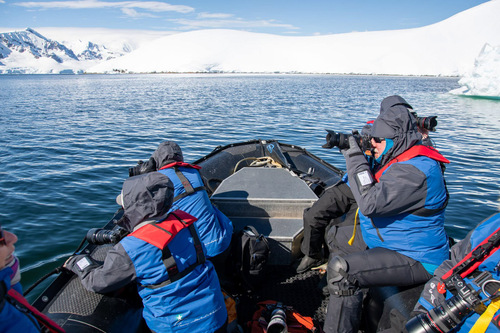
Zodiac Cruising
Our Ship
The Greg Mortimer

Capacity
148 Passengers Maximum (130 on Expedition)
Year built
2019
Cabins
76
Length
104m
Decks
8
Speed
10-12 Knots
Extension Tours


Explore Similar Expeditions